
Professor Raffaella Margutti Named CIFAR Azrieli Global Scholar
Joining the “Gravity & the Extreme Universe” program, assistant professor Raffaella Margutti has been named by CIFAR one of 14 international early-career researchers with...
Joining the “Gravity & the Extreme Universe” program, assistant professor Raffaella Margutti has been named by CIFAR one of 14 international early-career researchers with...
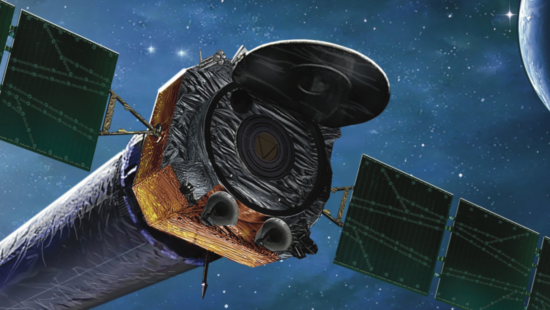
2019 marks 20 years of superb performance by the Chandra X-ray Observatory. The CXC is planning a number of events and products for the...
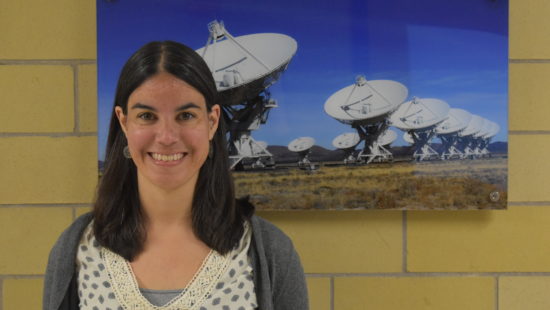
Postdoctoral Associate Erin Cox has won the Robert L. Brown Outstanding Doctoral Dissertation Award, administered by Associated Universities, Inc. (AUI) and the National Radio...
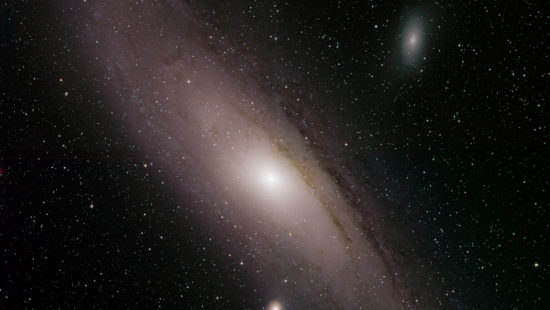
The Zwicky Transient Facility (ZTF) is a new experiment attempting to identify everything that changes in the Northern night sky. ZTF measures these changes...
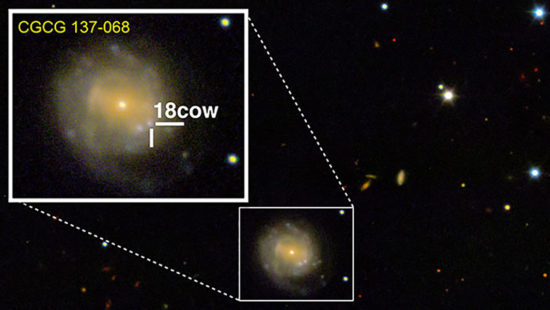
“A Northwestern University-led international team is getting closer to understanding the mysteriously bright object that burst in the northern sky this summer. On...
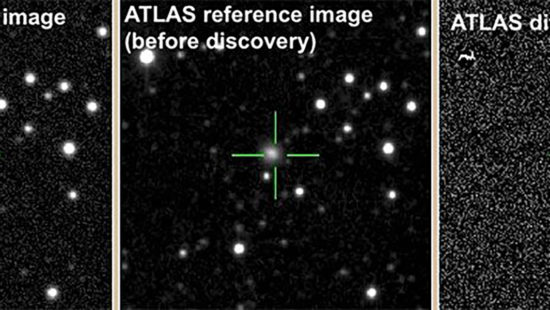
“For many astronomers, 2018 will be remembered as the Year of the Cow — after the nickname of a spectacular stellar explosion that has...
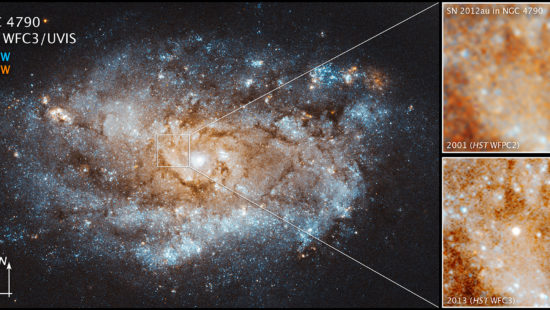
“The explosions of stars, known as supernovae, can be so bright they outshine their host galaxies. They take months or years to fade away,...
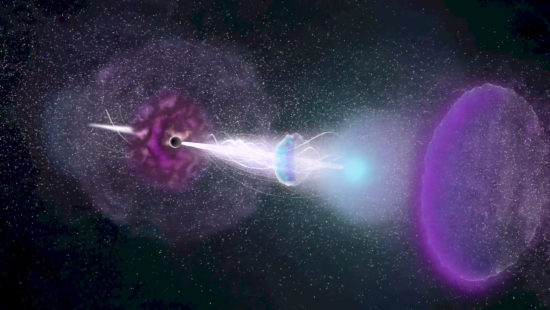
“Astronomers using telescopes across the electromagnetic spectrum and the Atacama Large Millimeter Array (ALMA) studied a cataclysmic stellar explosion known as a gamma-ray burst,...

We are excited to introduce CIERA’s incoming Postdoctoral Research Fellows. They will bring a wide-range of expertise that promises to advance CIERA’s cutting-edge research...
Computational Research Day is an annual all-day symposium which brings together Northwestern students, faculty, and researchers across fields and disciplines to share and promote...
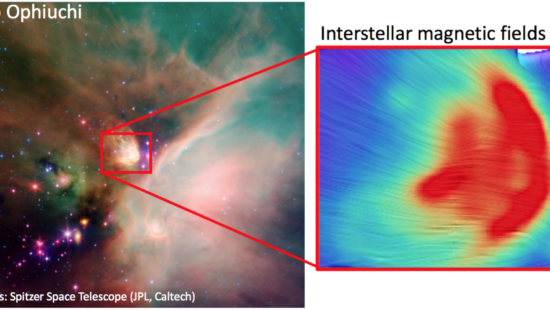
Understanding how stars and planets are created is one of the main challenges of modern astronomy. The study of stellar birth is one of...
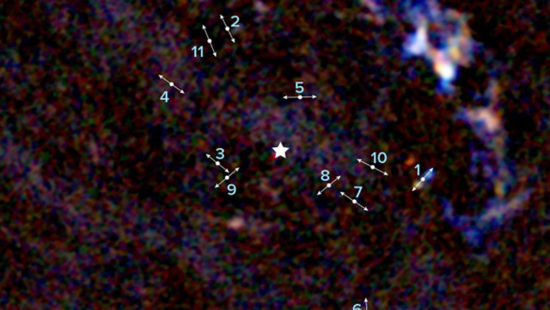
At the center of our galaxy, in the immediate vicinity of its supermassive black hole, is a region wracked by powerful tidal forces and...